
Invasive candidiasis is a life-threatening infection with high mortality and growing antifungal resistance. New treatment options are urgently needed, particularly for vulnerable and immunocompromised patients.
Invasive candidiasis (IC) is a serious fungal infection caused by various Candida species and occurs most frequently in immunocompromised patients. Candida is the most common cause of healthcare-associated bloodstream infections in the U.S. The overall mortality rate of invasive candidiasis remains over 30%, despite therapy.
Current treatment options are limited to only three antifungal classes, with the few therapies becoming increasingly ineffective due to a rise in drug resistant strains.
The current treatment protocol for IC includes:
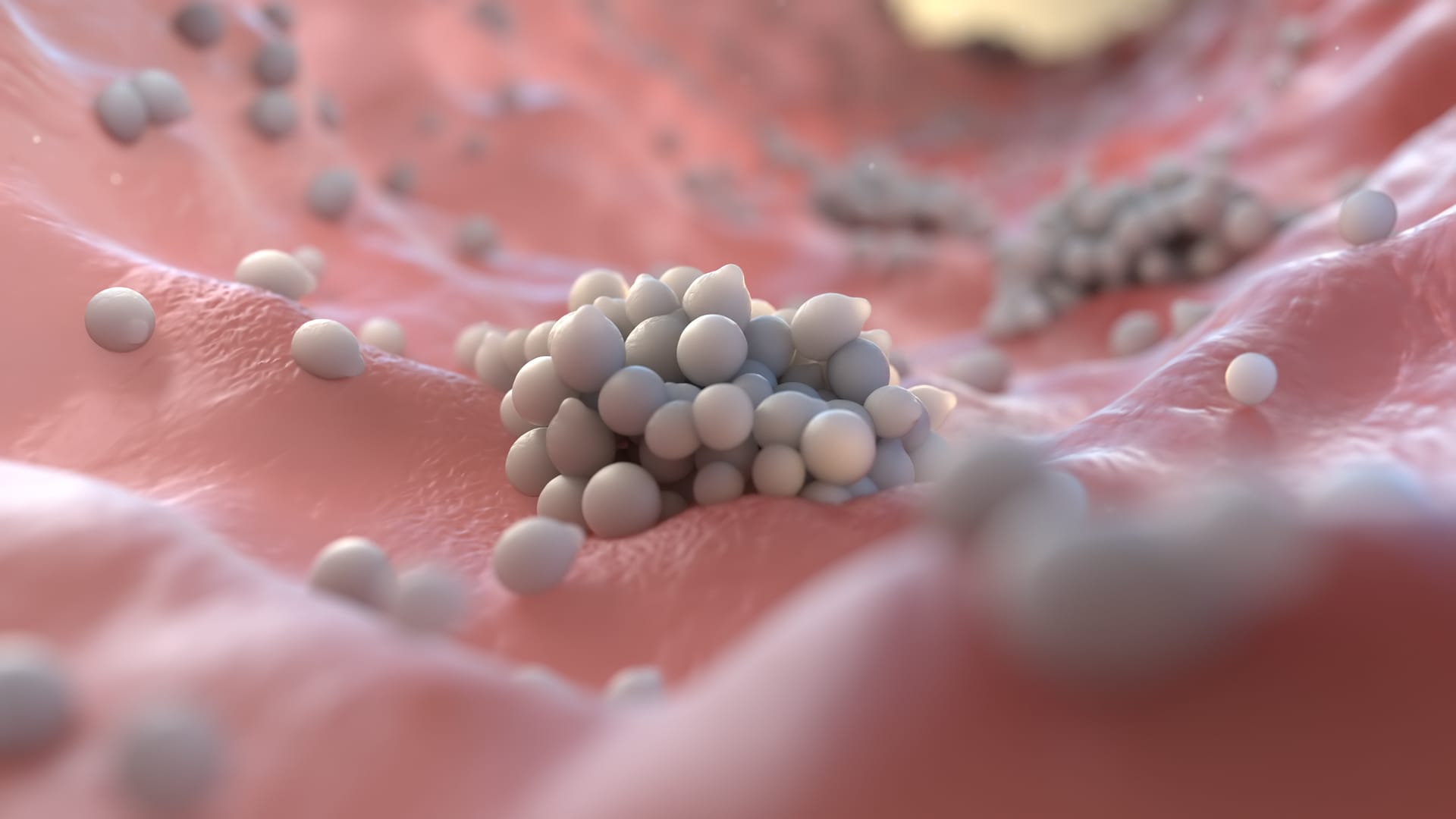
Despite existing antifungal agents, mortality in this high-risk patient population remains high (up to 30%). Additionally, the increasing emergence of drug-resistant Candida strains has created an urgent need for new treatments:
The Centers of Disease Control and Prevention (CDC) has listed fluconazole-resistant Candida as a serious threat requiring prompt and sustained action and has also identified a rise in echinocandin resistance, especially among Candida glabrata.
The CDC has issued an extraordinary alert for healthcare facilities and providers to be on the lookout for patients with C. auris, a multidrug-resistant strain with high mortality.
The World Health Organization (WHO) recently published its first ever list of fungal “priority pathogens” of the 19 fungi that represent the greatest threat to public health. According to WHO, populations at greatest risk of invasive fungal infections include those with cancer, HIV/AIDS, organ transplants, chronic respiratory disease, and post-primary tuberculosis infection.
Current treatment guidelines for IC recommend the use of IV echinocandins as first-line therapy for empiric and confirmed cases. A triterpenoid antifungal from our platform, if approved for the treatment of IC, may provide an alternative to treat azole and echinocandin resistant Candida strains, as well as an oral alternative to the IV echinocandins, fulfilling a significant current unmet need in this setting.
Our commitment to scientific excellence is reflected in both our innovative research and the clinical evidence that guides every stage of therapeutic development.