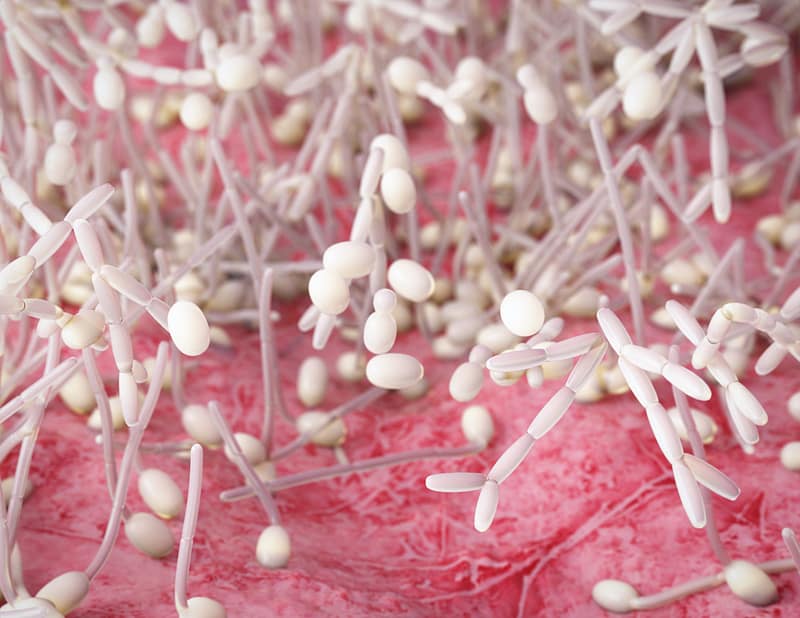
Invasive fungal infections (IFIs) are a leading cause of mortality among immunocompromised patients, including those undergoing cancer treatment, organ transplant recipients, and individuals with advanced immune disorders. Because these infections are associated with high mortality and often difficult to treat once established, effective preventive therapies are essential to improving outcomes and saving lives.
Despite this critical need, antifungal treatment and prophylaxis options remain limited. Only three major classes of antifungal agents are available, and just one offers oral administration. The most widely used oral antifungals, the azoles, are associated with significant drug-drug interactions and increasing resistance, limiting their utility in patients receiving complex treatment regimens.
As the use of targeted therapies continues to expand, there is a growing need for novel antifungal agents that can provide effective protection without compromising safety or interfering with other medications. New, well-tolerated therapies for both the prevention and treatment of invasive fungal infections are urgently needed.